
Lesson overview
Evaluate energy use, e-waste, cloud computing and sustainable choices in digital systems.
Focus: Environmental impacts of computing.
What you will learn
- Define the key GCSE Computer Science terms used in environmental impacts of computing.
- Explain how energy use works in a practical scenario.
- Compare e-waste with an alternative or related method.
- Apply environmental impacts of computing accurately in exam-style questions.
Before you start
- Computer systems.
- Cloud and networks.
- Ethical impact writing.
Environmental Impacts scenarios
Use the phone upgrade, data centre and school device examples below to identify impacts and mitigations.
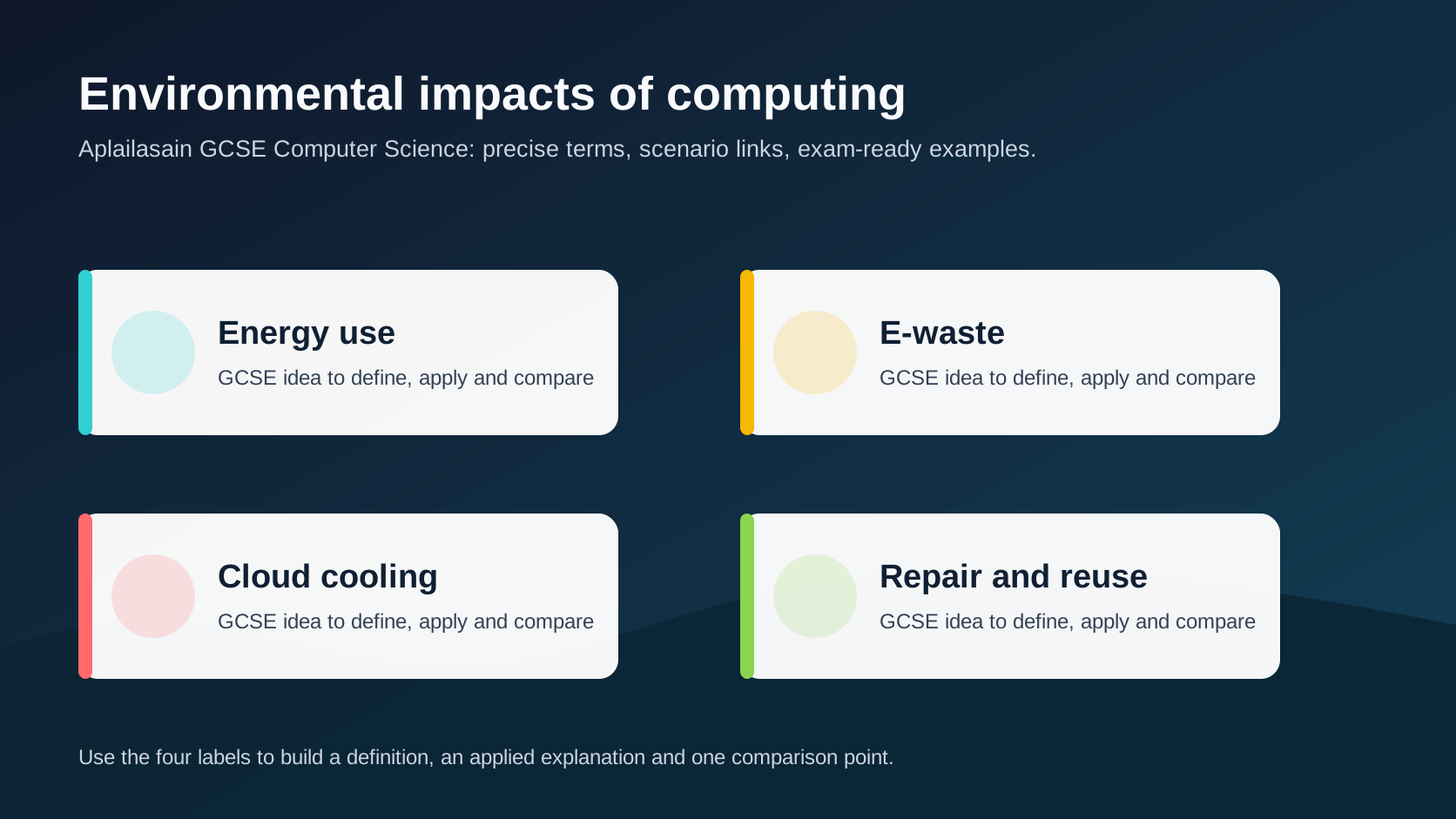
Environmental impacts of computing infographic
Explanation
Computer systems use energy during manufacture, transport, operation and disposal. Large-scale cloud services also rely on data centres that need power and cooling.
E-waste can contain valuable materials and harmful substances. Repair, reuse, recycling and longer device lifecycles can reduce harm.
Balanced answers consider benefits too, such as remote working reducing travel, while still recognising hidden energy and hardware costs.
Worked examples
Applying environmental impacts
A company replaces laptops every year.
Old devices are not reused or recycled securely.
New devices require manufacturing and transport.
Answer: This increases e-waste and embodied environmental cost; a better approach could include repair, reuse, recycling and longer replacement cycles.
Quick checks
1. What is e-waste?
- a. A sorting algorithm
- b. Discarded electronic equipment
- c. A database primary key
Reveal answer
Answer: b. Correct. E-waste is the waste created when electronic devices are thrown away.
Not quite. Focus on energy use in the scenario.
2. Which idea is most closely linked to environmental impacts of computing?
- a. A monitor brightness setting
- b. A random file extension
- c. Device lifecycle
Reveal answer
Answer: c. Correct. Device lifecycle is part of this topic.
Not quite. Choose the option that belongs to the Computer Science concept.
Practice
1. Name one environmental cost of data centres.
Reveal answer
Answer: Electricity use, cooling demand, water use or hardware replacement.
Marking: Credit valid data-centre impact.
2. Give one way to reduce e-waste.
Reveal answer
Answer: Repair, reuse, recycle, donate, upgrade parts or keep devices longer.
Marking: Credit sustainable action.
3. Why can remote meetings reduce impact?
Reveal answer
Answer: They may reduce travel emissions.
Marking: Credit travel reduction.
4. Why is secure recycling important?
Reveal answer
Answer: It protects data and recovers materials safely.
Marking: Credit data/security or material recovery.
Exam practice ladder
- Fluency: recall the key term and use it accurately.
- Application: apply the idea to the scenario rather than giving a generic definition.
- Algorithmic reasoning: show the steps, condition or variable change clearly.
- Evaluation: explain why one method, structure or control is suitable.
Answers and marking guidance
Exact answers and marking guidance are hidden under each question. For this lesson, earn marks by naming the correct Computer Science idea, applying it to the scenario and showing the logic or value change clearly.
Common mistakes
- Only discussing electricity while ignoring manufacture.
- Claiming digital services have no physical impact.
- Ignoring benefits as well as harms.
- Forgetting data security during disposal.
Extension
Compare buying new tablets every two years with maintaining laptops for five years.
Next lesson
Next, continue with AI, automation and the digital divide.
Exam-board guidance
Aplailasain is an independent learning resource and is not endorsed by any exam board.
AQA GCSE Computer Science
AQA GCSE Computer Science: this skill supports problem solving, clear algorithms and accurate programming explanations.
OCR GCSE Computer Science
OCR GCSE Computer Science: expect precise algorithm reasoning, trace work and careful use of programming vocabulary.
Pearson Edexcel GCSE Computer Science
Pearson Edexcel GCSE Computer Science: practise explaining the method as well as giving the final answer or code.
Eduqas GCSE Computer Science
Eduqas GCSE Computer Science: secure the transferable idea first, then check how your class applies it in tasks.
WJEC Wales
WJEC Wales: use accurate terminology and show enough working for the examiner to follow your logic.
CCEA
CCEA: connect the idea to your class route and use the same algorithm, programming or systems vocabulary your teacher uses.